


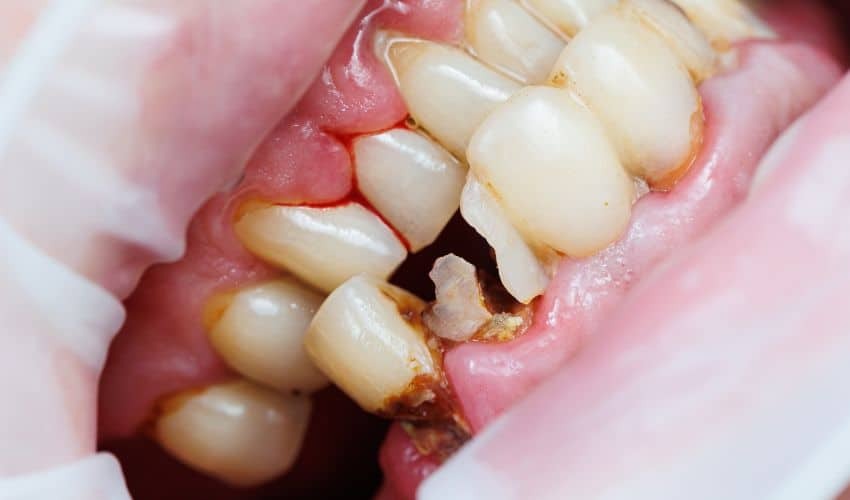
As a dental implant specialist in Houston, I have seen many patients grappling with the severe consequences of gum disease. One of the most common and distressing outcomes of untreated gum disease is tooth loss. This blog post aims to delve into how gum disease can lead to tooth loss, the stages of gum disease, and the importance of early intervention and preventive care.
Understanding Gum Disease
Gum disease, also known as periodontal disease, is an infection of the tissues that surround and support your teeth. It is primarily caused by plaque, a sticky film of bacteria that forms on your teeth. If not removed through regular brushing and flossing, plaque can harden into tartar, which can only be removed by a dental professional.
Stages of Gum Disease
Gum disease progresses through several stages, each more severe than the last:
- Gingivitis: This is the earliest stage of gum disease, characterized by inflammation of the gums. Symptoms include redness, swelling, and bleeding during brushing or flossing. At this stage, the condition is reversible with proper dental care and hygiene practices.
- Periodontitis: If gingivitis is left untreated, it can progress to periodontitis. In this stage, the inner layer of the gum and bone pull away from the teeth, forming pockets that become infected. As the body’s immune system fights the bacteria, the connective tissue and bone that hold the teeth in place start to break down. Without treatment, the bones, gums, and tissue that support the teeth are destroyed, leading to tooth loss.
- Advanced Periodontitis: In the final stage of gum disease, the tissues and bones supporting the teeth are severely damaged. Teeth may become loose or fall out, and even the simplest dental treatments may become complex.
How Gum Disease Leads to Tooth Loss?
The progression of gum disease from gingivitis to advanced periodontitis can be insidious, often going unnoticed until significant damage has occurred. Here’s how gum disease can ultimately lead to tooth loss:
Destruction of Supporting Structures
Periodontitis involves the destruction of the structures that support your teeth. As the infection progresses, it leads to the breakdown of the periodontal ligament and the alveolar bone, which are essential for holding teeth in place. When these structures are compromised, teeth lose their anchorage and may become loose or fall out.
Formation of Deep Pockets
During periodontitis, the gums pull away from the teeth, forming deep pockets. These pockets become breeding grounds for bacteria, further exacerbating the infection. The deeper the pockets, the more difficult it becomes to clean them with regular oral hygiene practices. This allows the bacteria to multiply and the infection to worsen, leading to more tissue and bone loss.
Inflammatory Response
The body’s inflammatory response to the bacterial infection in the gums can also contribute to tissue and bone loss. The immune system releases substances that not only attack the bacteria but also damage the surrounding tissues and bone. This chronic inflammatory response accelerates the destruction of the supporting structures of the teeth.
Risk Factors for Gum Disease and Tooth Loss
Several factors can increase your risk of developing gum disease and, consequently, tooth loss:
- Poor Oral Hygiene: Inadequate brushing and flossing allow plaque to build up on the teeth, leading to gum disease.
- Smoking and Tobacco Use: Tobacco use is a significant risk factor for gum disease. It impairs blood flow to the gums, reducing their ability to heal and fight infections.
- Genetics: Some individuals are genetically predisposed to gum disease. If you have a family history of gum disease, you may be at a higher risk.
- Certain Medical Conditions: Conditions such as diabetes, heart disease, and rheumatoid arthritis are linked to an increased risk of gum disease.
- Medications: Some medications can reduce saliva production, leading to dry mouth and increasing the risk of gum disease.
- Hormonal Changes: Hormonal changes in women, such as those occurring during pregnancy, menopause, and menstruation, can make gums more sensitive and susceptible to gum disease.
Prevention and Early Intervention
Preventing gum disease and subsequent tooth loss involves a combination of good oral hygiene practices, regular dental visits, and lifestyle modifications.
Good Oral Hygiene
Maintaining proper oral hygiene is the first line of defense against gum disease. This includes:
- Brushing Twice a Day: Use a fluoride toothpaste and a soft-bristled toothbrush to brush your teeth for at least two minutes twice a day.
- Flossing Daily: Flossing helps remove plaque and food particles from between the teeth and below the gumline.
- Using Mouthwash: An antimicrobial mouthwash can help reduce plaque and prevent gum disease.
Regular Dental Visits
Regular dental check-ups and cleanings are crucial for preventing gum disease. During these visits, your dentist can remove plaque and tartar that you may have missed with brushing and flossing. They can also identify early signs of gum disease and provide appropriate treatment before it progresses.
Lifestyle Modifications
Making certain lifestyle changes can also help prevent gum disease and tooth loss:
- Quit Smoking: If you smoke, quitting can significantly reduce your risk of gum disease.
- Healthy Diet: A balanced diet rich in vitamins and minerals can help maintain healthy gums.
- Manage Medical Conditions: Keeping conditions like diabetes under control can reduce your risk of gum disease.
Treatment Options for Gum Disease
If you have already developed gum disease, early intervention is key to preventing tooth loss. Treatment options include:
Scaling and Root Planing
This deep-cleaning procedure removes plaque and tartar from above and below the gumline and smooths the tooth roots to help gums reattach to the teeth.
Medications
Your dentist may prescribe antimicrobial mouthwashes, antibiotic gels, or oral antibiotics to help control the infection.
Surgery
In advanced cases, surgical treatments such as flap surgery or bone and tissue grafts may be necessary to restore supportive structures and save teeth.
Dental Implants as a Solution for Tooth Loss
If you have lost teeth due to gum disease, dental implants can be an effective solution. Dental implants are artificial tooth roots made of titanium that are surgically placed into the jawbone. They provide a stable foundation for replacement teeth, such as crowns, bridges, or dentures.
Benefits of Dental Implants
- Natural Look and Feel: Dental implants look, feel, and function like natural teeth.
- Durability: With proper care, dental implants can last a lifetime.
- Bone Preservation: Dental implants help preserve the jawbone, preventing the bone loss that typically occurs with missing teeth.
- Improved Oral Health: Unlike traditional bridges, dental implants do not require altering adjacent teeth, preserving their natural structure.
Conclusion
Gum disease is a serious condition that can lead to tooth loss if left untreated. By understanding the stages of gum disease, recognizing the risk factors, and maintaining good oral hygiene, you can significantly reduce your risk of developing this condition. Regular dental visits and early intervention are crucial in preventing the progression of gum disease and preserving your teeth. If you have already experienced tooth loss due to gum disease, dental implants offer a reliable and effective solution to restore your smile and improve your oral health.
As a dental implant specialist in Houston, I am dedicated to helping my patients achieve and maintain healthy, beautiful smiles. If you have any concerns about gum disease or tooth loss, please do not hesitate to contact my office for a consultation. Together, we can develop a personalized treatment plan to ensure your oral health and well-being.