


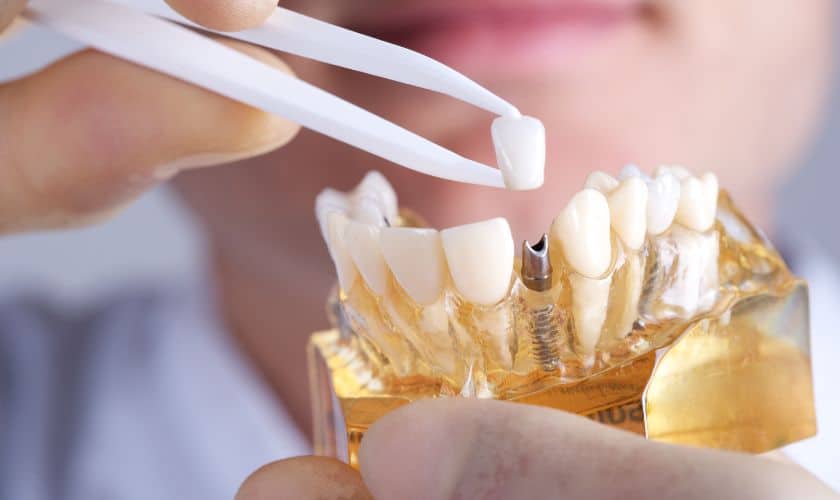
Dental implants have long been the gold standard for replacing missing teeth, offering patients a permanent, durable, and aesthetically pleasing solution. Houston, TX, known for its cutting-edge medical facilities, is at the forefront of adopting the latest advancements in dental implant procedures. In this blog, we will delve into the innovative techniques that go beyond traditional solutions, providing patients with more efficient, comfortable, and effective dental implant options.
1. All-on-4 Dental Implants: A Game-Changer
The All-on-4 dental implant technique is revolutionizing the way dental professionals address full-arch tooth loss. This procedure involves the strategic placement of just four dental implants to support an entire arch of teeth. It eliminates the need for individual implants for each missing tooth, reducing cost, complexity, and healing time. The All-on-4 method also makes it possible for eligible candidates to receive temporary teeth on the same day of the surgery, allowing them to leave the dental office with a brand-new smile.
2. Guided Implant Surgery: Precision at Its Best
Traditional implant placement relied on the dentist’s skill and experience, leading to some degree of variability in results. However, with guided implant surgery, the process becomes highly precise and predictable. Advanced imaging technology, such as cone-beam computed tomography (CBCT), allows dentists to create 3D models of the patient’s jaw, enabling them to plan the implant placement with unparalleled accuracy. This results in reduced surgical time, enhanced patient comfort, and improved long-term outcomes.
3. Mini Dental Implants: Small Size, Big Impact
For patients with insufficient bone density or who prefer a less invasive option, mini dental implants offer an attractive alternative. These implants are smaller in diameter than traditional implants and require less bone structure for successful integration. Due to their minimally invasive nature, mini dental implants often require no incisions and can be placed with only local anesthesia. Despite their smaller size, they provide excellent stability and can support various dental restorations, including crowns, bridges, and dentures.
4. Computer-Aided Design and Manufacturing (CAD/CAM) Restorations
In the past, crafting dental restorations like crowns and bridges was a time-consuming process that involved multiple visits to the dentist and the use of messy impression materials. With CAD/CAM technology, the process has been streamlined. Digital scans of the patient’s mouth are used to create virtual models, which are then sent to an on-site milling machine or an off-site dental laboratory. This advanced technology allows for same-day delivery of custom-made, precision-fit restorations, saving patients time and ensuring an optimal fit.
5. Zygomatic Implants: A Solution for Severe Bone Loss
Severe bone loss in the upper jaw can make traditional dental implants challenging or even impossible. Zygomatic implants offer hope for patients facing this issue. These implants are anchored in the dense zygomatic bone, also known as the cheekbone, providing a stable foundation for dental restorations. By avoiding the need for bone grafting, zygomatic implants streamline the treatment process and significantly reduce the overall treatment timeline.
The Bottom Line
As dental technology continues to advance, patients in Houston, TX, are presented with an array of innovative solutions that go beyond traditional dental implant procedures. From All-on-4 implants and guided surgery to mini implants, CAD/CAM restorations, and zygomatic implants, the options are more diverse and tailored to meet individual needs. If you’re considering dental implants, consulting with a skilled and experienced dentist in Houston can open the door to the latest advancements in dental implantology, ensuring you achieve a confident smile and optimal oral health. Remember, before deciding on any procedure, it’s essential to have a thorough discussion with your dentist to determine the most suitable option for your unique case.