


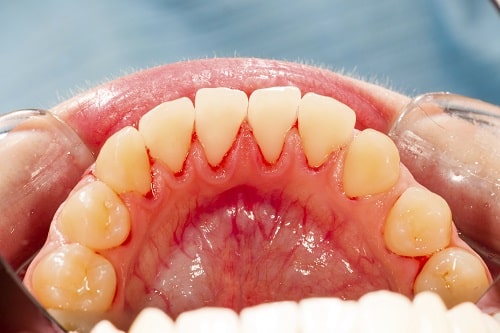
You may be familiar with the factors that contribute to gum disease—poor oral hygiene, tobacco use, or medications—but did you know stress can be as well? Stress can wreak havoc on our bodily health if not handled properly, and our oral health is no different. Stress can contribute to hormonal imbalances, making it harder for our bodies to function properly.
The way stress factors into oral health is simple. When we become stressed, our bodies have a more difficult time making the right hormones at the right time. Typically, the body releases immune cells to fight bacteria in the mouth, but under stress, your body has a more difficult time doing this when it needs to. When the immune cells are not fighting the bacteria in your mouth, the bacteria are left to freely do what they want to do, which is irritating and infecting the gums and teeth.
Since the bacteria are not being controlled by immune cells, a person under high stress can develop gum disease like gingivitis more easily. What’s worse is that if someone is already suffering from gum disease, stress can exacerbate the problem further.
Simple Yet Effective Ways to Reduce Stress and Protect Your Gum Health
Since chronic stress is a major contributor to gum disease and overall oral health decline, managing it proactively is essential. While life’s demands—especially for busy parents or professionals—can often feel overwhelming, making time for stress relief isn’t just good for your mind and body; it’s also crucial for your smile.
Here are a few practical and science-backed ways to reduce stress and support better gum health:
1. Prioritize Regular Exercise
Physical activity is one of the most effective natural stress relievers. Even light exercise, like a brisk walk around your neighborhood or a 20-minute yoga session, helps lower cortisol levels (the stress hormone), boost endorphins, and reduce inflammation—all of which can benefit your gums.
2. Practice Deep Breathing or Meditation
Mindfulness techniques like meditation, deep breathing, or progressive muscle relaxation can calm your nervous system and help prevent stress from taking a toll on your immune function and oral tissues.
3. Get Quality Sleep
Lack of sleep can intensify stress and weaken your body’s ability to fight off infection, including gum disease. Aim for 7–9 hours of restorative sleep each night to give your body and gums time to repair and recharge.
4. Limit Caffeine, Sugar, and Alcohol
Overconsumption of stimulants or comfort foods can amplify stress and contribute to oral health issues like dry mouth or increased plaque buildup. Try balancing your diet with whole foods rich in vitamins C and D, calcium, and antioxidants to support gum health.
5. Connect and Talk It Out
Sometimes, the best stress relief comes from simply sharing what’s on your mind. Whether it’s with a loved one, a counselor, or your dental care provider, talking through challenges can reduce mental strain.
If you’re noticing signs of gum disease—such as bleeding gums, persistent bad breath, or sensitivity—and suspect stress might be playing a role, don’t hesitate to reach out. Our team is here to answer any questions you may have and guide you with personalized tips to manage stress and safeguard your oral health.
**Disclaimer: This content should not be considered medical advice and does not imply a doctor-patient relationship.